
Monetary Policy Shifts and Precious Metal Dynamics
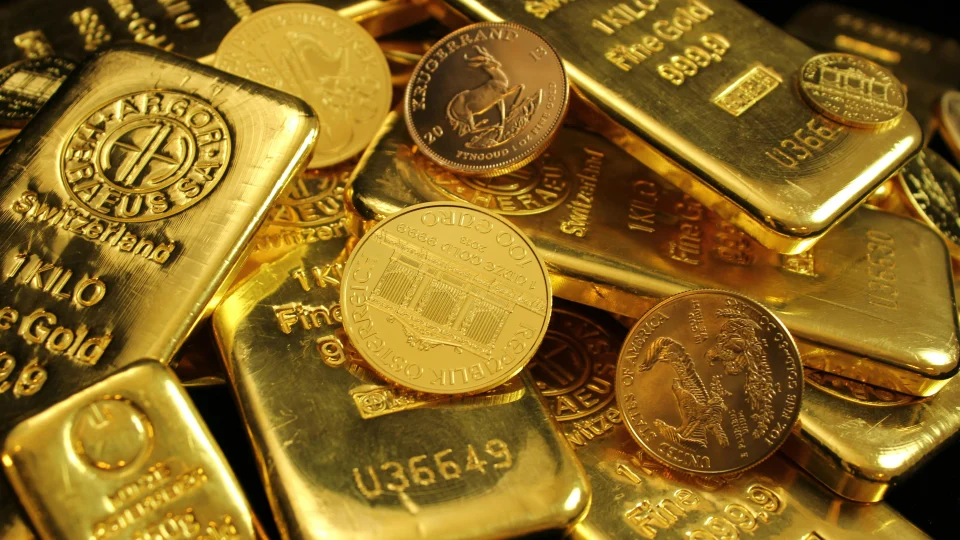
Gold prices have climbed 28% year-to-date as of November 2025, reaching approximately $2,650 per ounce amid persistent inflationary pressures and geopolitical uncertainties. This upward trajectory could accelerate following the U.S. Federal Reserve’s anticipated interest rate cut, set for review in the coming weeks, as lower borrowing costs historically favor non-yielding assets like gold over interest-bearing alternatives such as bonds.
Current Market Context and Historical Precedents
The Federal Reserve’s monetary policy decisions have long influenced commodity markets, with rate reductions often correlating with gold’s appeal as a hedge against currency devaluation. In the post-2008 financial crisis era, gold prices rose over 150% in the three years following the Fed’s initial quantitative easing measures, driven by a weakening U.S. dollar and reduced opportunity costs for holding physical assets.
- Recent Performance: Gold has outperformed major equity indices in 2025, with spot prices up 5.2% in the last month alone, buoyed by central bank purchases totaling 1,037 tons in the first nine months of the year— a 6% increase from 2024.
- Economic Indicators: U.S. inflation stands at 2.6% annually, above the Fed’s 2% target, while unemployment hovers at 4.1%, prompting expectations of a 25-basis-point cut to sustain growth without overheating the economy.
- Global Factors: Demand from emerging markets, particularly China and India, accounts for 50% of annual gold consumption, with imports surging 15% in Q3 2025 amid trade tensions.
These trends underscore gold’s role as a safe-haven asset, especially as real yields on 10-year Treasury notes dip below 1.5%, making gold relatively more attractive. However, uncertainties remain around the exact timing and magnitude of the cut, as flagged by Fed Chair Jerome Powell in recent statements, where he noted “data-dependent” adjustments based on evolving labor market conditions.
Expert Predictions and Broader Market Implications
Analysts anticipate the rate cut could propel gold toward $2,800 per ounce by mid-2026, citing reduced yields and potential dollar weakness. “A dovish Fed pivot would provide gold with significant upward momentum, as investors rotate from fiat-based holdings,” observed a senior commodities strategist at a major investment firm.
- Forecast Models: Quantitative analyses from market research indicate a 70% probability of gold exceeding $2,700 in the next quarter if the cut materializes, based on historical rate cycle data from 1990-2020.
- Comparative Assets: While gold benefits, this environment may pressure yield-sensitive sectors like real estate, with REIT indices down 3% in anticipation of softer rates.
- Risks and Volatility: Geopolitical events, such as ongoing Middle East tensions, could amplify gains, but a stronger-than-expected U.S. economy might temper the rally— an uncertainty highlighted in recent volatility indices showing gold’s 30-day standard deviation at 12.4%.
The interplay between Fed actions and gold underscores broader implications for portfolio diversification, as investors weigh inflation risks against recession fears. What could this mean for the future of commodity markets and investor strategies in an era of uncertain monetary normalization?